

Carbon fiber manufacturing continues to evolve as industries seek lighter structures, faster production, better material efficiency, and more repeatable component quality. While carbon fiber has long been associated with aerospace and high-performance applications, advances in materials and processing are expanding its relevance across automation, mobility, robotics, industrial equipment, and specialised manufacturing.
Several developments are shaping the next generation of carbon fiber composites.
Greater Manufacturing Automation
Composite production traditionally involves processes that can require considerable manual handling. Increasing automation is helping manufacturers improve repeatability in tasks such as fiber placement, cutting, layup, inspection, and material handling.
Automated processes can become particularly valuable when production volumes increase and consistent fiber positioning is required.
Improved Resin and Curing Technologies
The resin matrix has a major influence on composite processing and finished performance.
Developments in resin chemistry continue to target faster curing, improved processing windows, temperature performance, and production efficiency. Faster manufacturing cycles could make carbon fiber practical for a wider range of industrial components where production speed is commercially important.
More Efficient Material Use
Carbon fiber is a high-value material, making waste reduction an important manufacturing consideration.
Digital nesting, accurate cutting, process optimisation, near-net-shape manufacturing, and improved production planning can help reduce unnecessary material consumption.
This matters both economically and environmentally.
Advances in Recycling and Circularity
End-of-life management has historically been a challenge for thermoset composite materials. Research and industrial development are expanding approaches for recovering carbon fibers and finding suitable applications for recycled composite materials.
Recycled fibers do not automatically replace virgin carbon fiber in every structural application, but their growing availability may create useful material options for selected products.
Smarter Composite Design
Simulation and digital engineering tools are making it easier to study laminate behaviour before physical manufacturing begins.
Engineers can assess load paths, fiber orientation, geometry, weight, and structural behaviour earlier in product development. This supports one of the main strengths of composites: placing reinforcement strategically rather than simply adding material everywhere.
Relevance for Nashik Manufacturing
Nashik's industrial base includes engineering, automotive, electrical, fabrication, and automation businesses. These sectors can benefit as composite manufacturing becomes more accessible and adaptable to specialised applications.
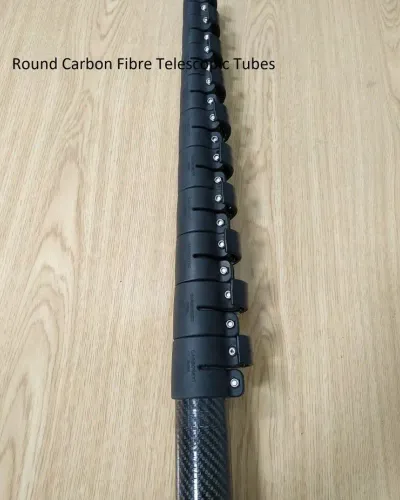
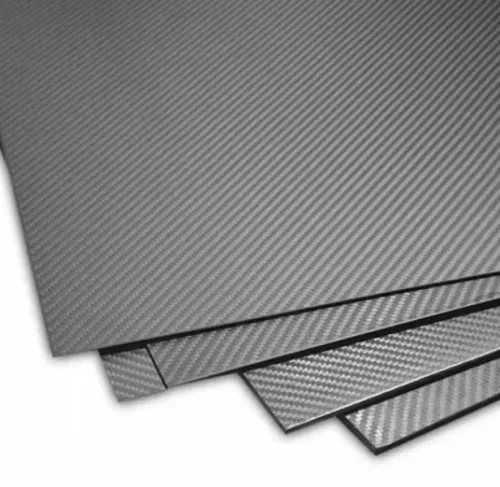
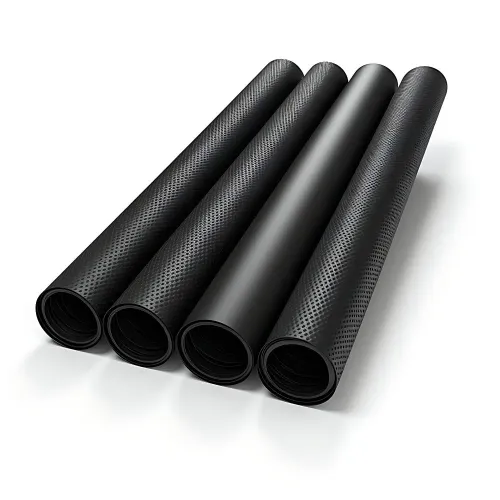
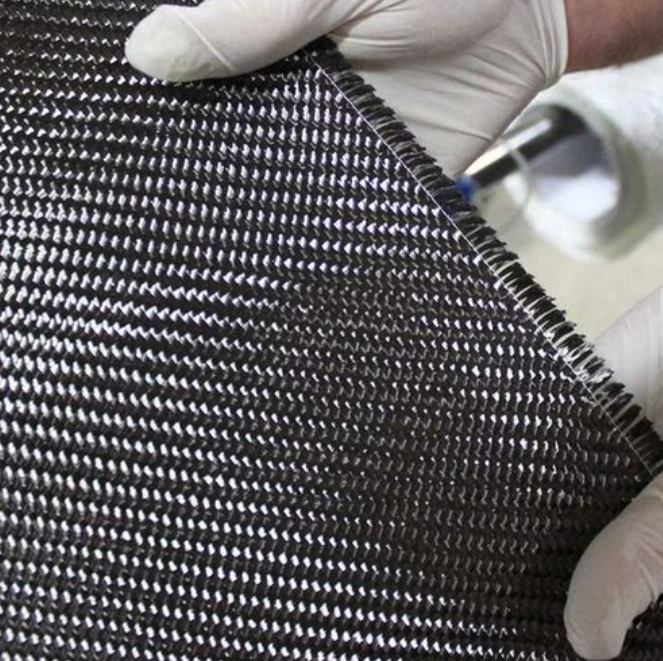
Carbonext India Pvt Ltd operates within the carbon fiber manufacturing segment, where developments in material systems and production methods continue to influence sheets, tubes, rods, fabrics, and custom components.
For manufacturers in Nashik and across Maharashtra, the key trend is not simply that carbon fiber is becoming more advanced. Composite engineering is becoming more application-specific, digitally supported, and manufacturing-focused.
Future opportunities will depend on balancing performance with processing time, consistency, cost, repairability, and material efficiency. Businesses evaluating carbon fiber should therefore follow developments in both material technology and manufacturing methods, because the combination of the two will determine where composites create the greatest industrial value.