

Carbon fiber sheets, rods, and tubes serve different structural and fabrication purposes, so buyers often have questions about which product format fits their project. The answers below cover practical considerations for engineers, procurement teams, fabricators, and product developers evaluating carbon fiber components.
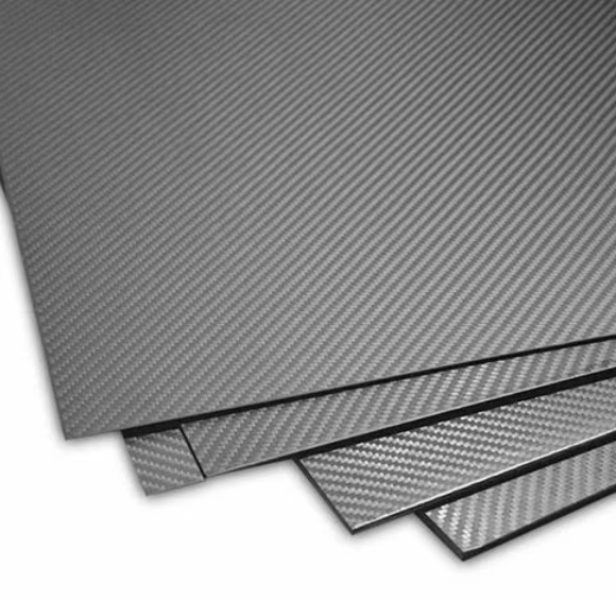
Are Carbon Fiber Sheets Suitable for Structural Parts?
They can be, provided the sheet construction is appropriate for the expected loads.
Thickness alone should not determine selection. Fiber orientation, laminate construction, support points, hole locations, loading direction, and operating conditions should also be considered.
What Is the Difference Between a Carbon Fiber Rod and Tube?
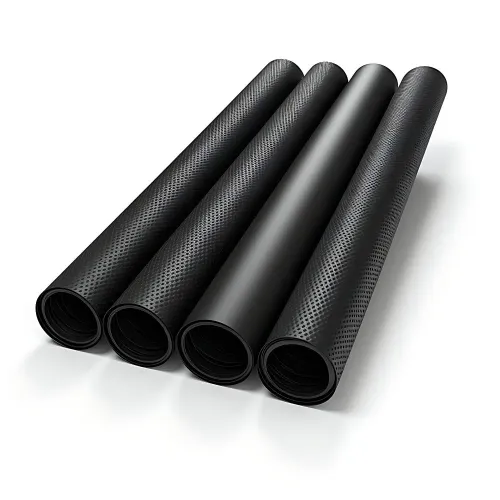
A rod is typically solid, while a tube has a hollow cross-section.
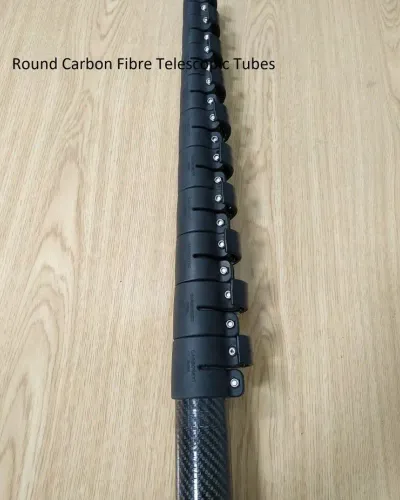
Solid rods can suit braces, shafts, supports, reinforcement elements, and specialised components. Tubes can provide an efficient stiffness-to-weight solution for structures where reducing mass is important.
The correct option depends on the application rather than one format being universally better.
Can Carbon Fiber Components Be Custom Manufactured?
Yes. Depending on manufacturing capabilities and project requirements, dimensions, lengths, diameters, wall thicknesses, laminate configurations, and other characteristics may be customised.
Providing a drawing or detailed specification helps manufacturers assess feasibility more accurately.
Can Carbon Fiber Sheets Be Drilled or Cut?
Carbon fiber composite sheets can be machined, but fabrication techniques differ from those commonly used for metals.
Tool selection, cutting parameters, dust control, edge quality, and hole design require attention. If extensive machining is planned, buyers should discuss it during the specification stage.
How Do I Choose a Tube Diameter?
Consider the tube's length, loading direction, required stiffness, wall thickness, mounting arrangement, and available installation space.
A large outer diameter can influence bending stiffness substantially, but the complete tube construction must be evaluated.
Is Carbon Fiber Always Better Than Aluminium or Steel?
No material is best for every application.
Carbon fiber can be attractive where low weight and high specific stiffness are priorities. Metals may be preferable where cost, ductility, temperature exposure, impact behaviour, joining methods, or other requirements dominate.
Material selection should follow the engineering problem.
What Details Should Be Included in an Enquiry?
Buyers should provide dimensions, quantities, expected loads, tolerances, operating environment, surface requirements, machining needs, and intended use whenever possible.
Carbonext India Pvt Ltd handles carbon fiber product requirements for customers evaluating sheets, rods, tubes, and related composite solutions.
For industrial buyers in Nashik and throughout Maharashtra, sharing complete technical information can reduce unnecessary back-and-forth during sourcing.
The most important lesson is that carbon fiber sheets, rods, and tubes are engineering components rather than interchangeable carbon products. Understanding how each component will be loaded, installed, processed, and used makes it considerably easier to identify an appropriate specification.