

Selecting a carbon fiber rod by diameter alone can be misleading. A larger rod may offer greater resistance to certain loads, but it can also add weight, increase space requirements, and create unnecessary cost. A smaller rod may save weight but could deflect excessively for the intended application.
The right diameter is therefore the result of several engineering considerations working together.
Start With the Type of Load
First determine what forces the rod will experience.
A carbon fiber rod may encounter tension, compression, bending, or a combination of loads. The required dimensions can change considerably depending on which force dominates.
A rod used as a lightweight brace, for example, has different requirements from one used as a cantilevered structural member.
Consider Length and Unsupported Span
Length is especially important when bending or buckling is possible.
A diameter that performs adequately over a short span may behave very differently when the unsupported length increases. Engineers should therefore evaluate diameter and length together rather than treating them as separate purchasing decisions.
Solid Rod or Tube?
Some projects initially specify a solid carbon fiber rod when a tube may be worth evaluating.
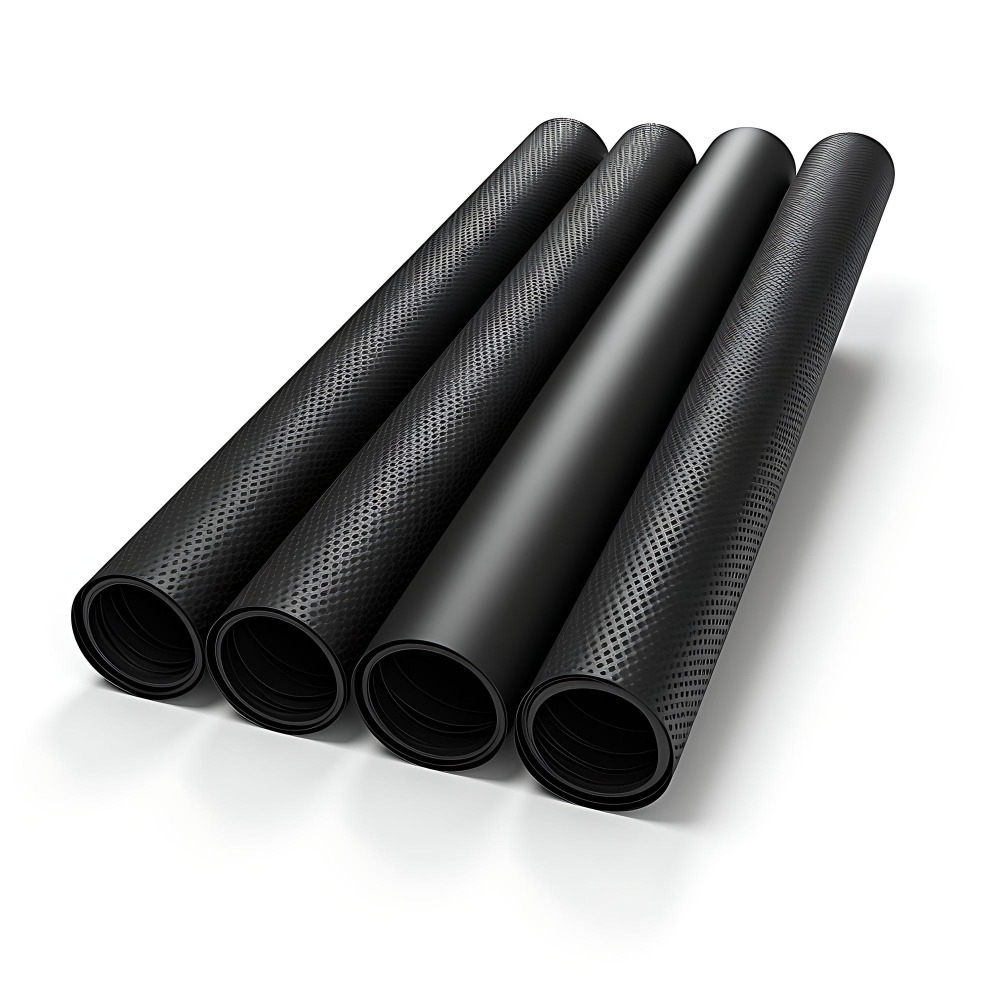
Solid rods can be appropriate for particular structural, mechanical, hobby, and industrial applications. Tubes remove material from the centre and can provide an efficient structural form when bending stiffness and low mass are priorities.
The better option depends on the load case, mounting arrangement, available space, and desired weight.
Check the Connection Method
A strong rod can still perform poorly if its attachment points are inadequately designed.
Before ordering, determine whether the component will be clamped, bonded, inserted into another assembly, mechanically fastened, or connected using custom end fittings.
The selected diameter must be compatible with these interfaces and their dimensional tolerances.
Information to Give the Manufacturer
For a more useful recommendation, provide:
- Required rod length
- Preferred diameter range
- Maximum available installation space
- Expected loads
- Support locations
- Approximate allowable deflection
- Quantity
- Operating temperature
- Environmental exposure
- Connection method
Carbonext India Pvt Ltd works with carbon fiber rods and related components for industrial customers with varying dimensional and application requirements.
Nashik's engineering, automation, automotive, and manufacturing businesses may use carbon fiber rods in prototypes, fixtures, lightweight assemblies, equipment, and specialised structural applications. For projects elsewhere in Maharashtra, the same principle applies: specifications should be driven by actual operating requirements.
Selecting the right carbon fiber rod diameter is ultimately a balance between stiffness, strength, weight, geometry, and integration with the surrounding assembly. Starting with the load case and installation conditions gives buyers a far stronger basis for choosing dimensions than simply selecting the largest or smallest available rod.