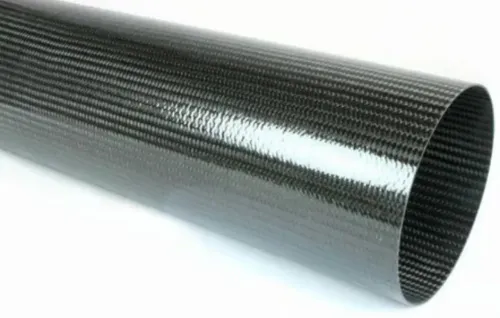
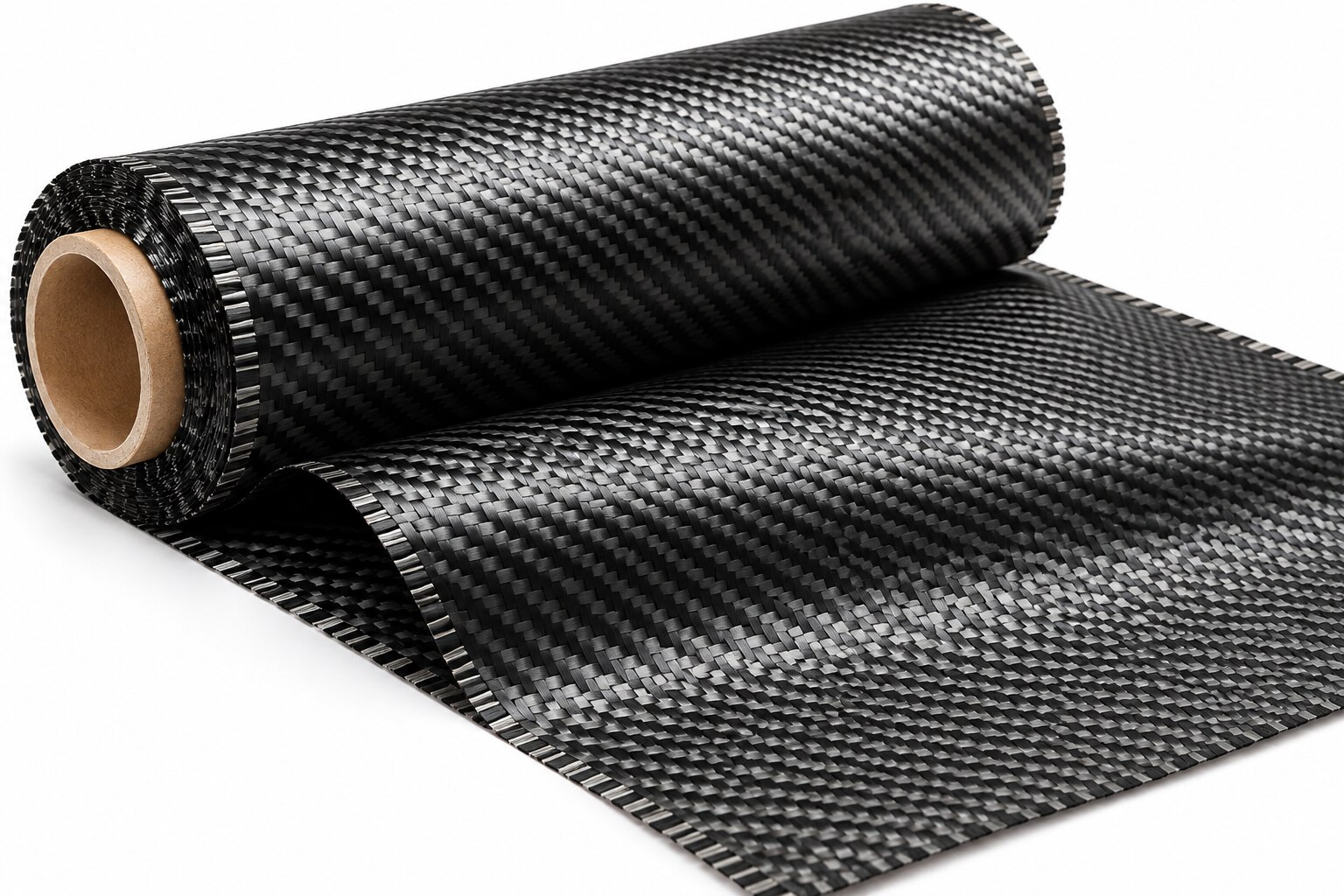
Carbon-fibre cloth is only a starting material: its value depends on weave, fibre direction, resin, process control, storage and the cost of producing an accepted part. By the end, you will be able to specify the material, calculate a realistic requirement, compare Mumbai and imported suppliers, and decide whether dry fabric beats glass fibre, a finished laminate or prepreg for your job.
Key takeaways
- Buy dry fabric only when you will design and cure the laminate.
- Specify fibre weight, weave, width, resin system and cure schedule before quoting.
- Calculate usable area after trim, defects, overlaps and cutting waste.
- Qualify a finished part before ordering production-volume fabric.
What You Are Actually Buying—and When It Is Worth the Cost
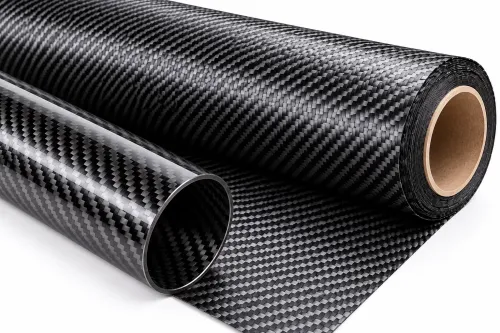
Buy carbon fiber fabric for manufacturing when you need to design a laminate, not when you need a ready-made part. It is dry woven reinforcement supplied as cloth. It is not a cured carbon-fibre sheet, finished laminate, resin-impregnated prepreg or custom-made component. Before it becomes structural, it needs resin, tooling, cutting, lay-up, consolidation and curing.
| Option | What you buy | Better choice when |
|---|---|---|
| Dry fabric | Resin-free woven reinforcement | You need control over shape and fibre orientation |
| Cured sheet or laminate | Ready-to-use consolidated material | You need predictable thickness and quick assembly |
| Prepreg | Fabric with controlled resin content | You have freezer storage and a defined cure process |
| Custom component | Finished engineered part | You lack composite tooling or process capability |
The carbon fiber fabric benefits are high specific stiffness, low weight and corrosion resistance. The trade-offs are higher material and processing cost than glass fibre, electrical conductivity and galvanic-corrosion risk against aluminium. Fibre direction controls performance; impact damage, voids, fibre waviness and resin-rich laminates can erase the expected strength.
Compare accepted-part cost, not roll price. Include resin, tooling, labour, PPE, dust extraction, vacuum consumables, inspection, scrap and lead time. Choose aluminium or steel for simpler, cheaper robust parts; glass fibre for lower cost, aramid for impact resistance, or a finished sheet or certified prepreg for predictable production.
Buy fabric when you need a designed laminate and orientation control. Do not use generic cloth as a substitute for engineering analysis or a ready-to-use structural part.
Specify the Cloth, Weave and Resin Before You Request a Quote
A quote is incomplete if it says only “carbon cloth.” For carbon fiber fabric for manufacturers in Mumbai, specify the material and process together, whether you are buying for carbon fiber fabric for manufacturing or a single prototype.
- State the fibre grade or minimum tensile properties, 1K, 3K or 12K yarn/tow, areal weight in g/m², weave count, plain or twill construction, nominal thickness, width tolerance, roll-length tolerance, fibre orientation, finish or sizing, batch traceability and the supplier’s certificate of conformance.
- Choose the construction against the part, not its appearance. Woven cloth reinforces two directions; unidirectional carbon places more fibre along one principal load path. Heavier cloth reduces ply count but can bridge corners. Lighter cloth improves drape and angle control but increases cutting and handling labour.
- Confirm whether the material is dry reinforcement or prepreg before comparing prices. For dry cloth, request sizing compatibility with epoxy, vinyl ester and polyester, wet-out guidance and resin uptake. For prepreg, request storage temperature, freezer requirement, shelf life, out-time and cure temperature or time-at-temperature.
| Construction | Advantage | Risk or trade-off |
|---|---|---|
| Plain weave | Better dimensional stability and easier angle control | Less drape over compound curves |
| Twill | Easier drape and smoother visual pattern | Can distort during handling |
A black surface proves nothing about fibre grade, resin compatibility or performance. Demand test data and process guidance rather than inferring suitability from appearance.
Calculate Usable Material and Inspect Every Incoming Roll
1. Calculate fabric area before ordering: required area = part surface area × ply count. Add overlap and trimming allowance, then divide by 1 − expected cutting-waste fraction. For example, 20 m² × 4 plies, with 10% allowance and 15% waste, requires 88.24 m².
2. Convert area to roll length using usable width, not catalogue width or roll length. Deduct frayed edges, edge damage, joins, taper cuts and unusable remnants. A 100-metre roll is not automatically 100 metres of production coverage if its edges, joints or remnants cannot enter your cutting plan.
3. Before approving a lot, obtain a representative sample and record its area, freight cost and charge terms. For buyers searching “buy carbon fiber cloth in mumbai”, local replenishment helps only when the sample and proposed production lot are traceable.
4. On receipt, compare the roll label, batch number, width at several points, areal weight, weave count and consistency. Reject or quarantine rolls showing frayed edges, broken tows, crossed or distorted yarns, oil, dust, other contamination, undocumented joins, moisture exposure or damaged packaging.
5. Retain a labelled sample with the inspection record. Keep dry cloth sealed in moisture-barrier packaging until use, prevent condensation, and rotate stock by lot and date. Prepreg storage, freezer, shelf-life and out-time instructions override ordinary dry-cloth practice.
6. Control cutting with clean gloves, extraction suitable for conductive carbon dust and clean surfaces. Document every ply count and fibre-angle check; an unrecorded angle error can invalidate an otherwise acceptable laminate.
Compare a Mumbai Supplier With an Imported Source on Total Cost
A lower invoice price does not prove lower cost per accepted part. Compare a carbon fiber fabric supplier in Mumbai with an imported source using the same specification, resin system, usable width and approval requirements.
| Source | Cost or risk to compare | Question to ask |
|---|---|---|
| Mumbai | Delivered price, resin, consumables and freight | Is the quote ex-works or delivered? |
| Imported | Freight, duty, tax exposure and customs delay | Who carries import and clearance costs? |
| Both | MOQ, roll-width utilisation and cutting waste | Is width nominal or guaranteed? |
| Both | Sample and production lead time | When can an approved replacement ship? |
| Both | Transport damage and batch failure | How is damaged material credited? |
| Both | Technical support and supply continuity | Can the same construction and lot history continue? |
Before you buy carbon fiber cloth in Mumbai, request:
- Technical data sheet, certificate of conformance, batch identification and retained sample
- Storage and packaging instructions, declared tolerances, sizing and resin compatibility
- Sample approval record, roll continuity, join markings and replacement policy
Local supply can shorten replenishment and simplify communication, but local stock is not automatically qualified stock. Imported material can offer established construction and lot history, while a failed batch takes longer to replace.
Include Carbonext India Pvt Ltd in the same evidence-based check; request its missing construction, performance, resin-compatibility, process and lot documents rather than treating catalogue availability as qualification. Choose the source that supplies repeatable accepted parts and recovery support, not the shortest quotation.
Related products
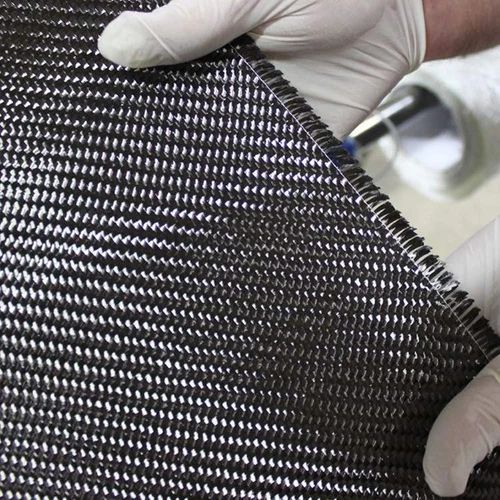 | Carbon Fiber Products Material Carbon Fiber Brand Carbonext Width 1000 mm Color Black Pattern Plain, Twill Do You Fulfil Sample Orders Yes Full Roll Length 100 m Country... View product → |
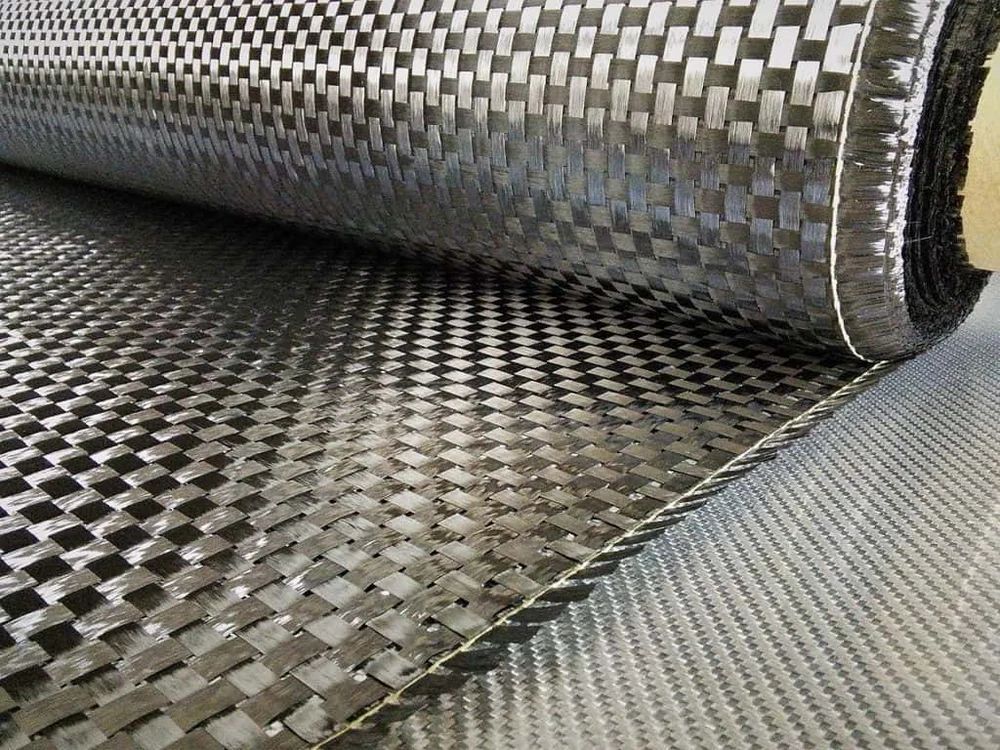 | Carbon Fiber Products Fiber Type Carbon Fibre Color Black Grade New Packaging Type Box Country of Origin Made in India We are engaged in offering a wide range of Prepreg... View product → |
Qualify the Laminate on the Real Part Before Committing Production Volume
A short trial on the production mandrel, mould or tool proves whether the laminate suits the component. Use the intended route—hand lay-up, vacuum bagging, resin infusion, compression moulding or autoclave curing—not a convenient substitute.
Record these production results:
- Wet-out time, resin uptake, drape over corners and tapers, fibre-angle retention after consolidation, cured thickness, void content and surface finish.
- Cure repeatability, cutting waste and rejected-part causes.
- Coupon results from the same laminate and cure cycle as production: ASTM D3039/D3039M for in-plane tension, ASTM D3518/D3518M for ±45-degree shear, ASTM D7264/D7264M for flexure and ASTM D2344/D2344M for short-beam interlaminar screening.
For a load-bearing pole or component, compare the fibre architectures directly.
| Architecture | Main advantage | Tests that expose the trade-off |
|---|---|---|
| 0-degree unidirectional | Axial stiffness and strength | Bending, buckling, joints and telescoping wear |
| 0/90-degree woven | Axial and hoop reinforcement with easier handling | Axial stiffness, hoop stability and impact |
| ±45-degree woven | Torsional and off-axis reinforcement | Torsion, impact and joint durability |
Do not accept fibre headline properties as proof; waviness, crimp, resin-rich zones and voids change the cured part. Add heat, moisture, UV and galvanic-corrosion checks for outdoor Mumbai service, including the coating, end seals and metal joints.
For carbon fiber fabric for manufacturers in Mumbai, the purchase is justified only when the tested laminate lowers accepted-part cost or improves required performance enough to repay its process burden. That is where carbon fiber fabric benefits become measurable.
Frequently asked questions
When is carbon fiber fabric worth buying for manufacturing?
Buy it when you need to design a laminate and can manage cutting, lay-up, resin infusion or wet-out, consolidation and curing. Choose a finished laminate or component when you lack tooling, process control or curing capability.
What should you specify before requesting a carbon fiber fabric quote?
State the fabric type, areal weight in g/m², fibre orientation, weave such as plain or twill, roll width, resin system, cure temperature, required quantity and inspection documents. Confirm whether the quoted material is dry cloth, prepreg or cured laminate.
How do you calculate usable carbon fiber fabric and inspect an incoming roll?
Start with the part area, then add ply count, nesting losses, overlaps, edge trim and cutting waste. On receipt, check roll length and width, packaging, batch identification, weave consistency, fraying, contamination, creases, holes and visible fibre damage.
How should you compare a Mumbai supplier with an imported carbon fiber fabric source?
Compare landed cost rather than catalogue price: fabric, freight, insurance, customs charges, taxes, brokerage, currency exposure, minimum order, lead time, storage and rejected material. Qualify the laminate on the real part before committing production volume.
Keywords