Choosing a carbon fiber manufacturer involves more than finding a supplier that can provide a sheet, tube, rod, or fabric in approximately the required dimensions. Industrial buyers often need technical clarity, consistent specifications, customisation capability, and an understanding of how the component will be used.
For engineering and manufacturing businesses in Nashik, evaluating these capabilities before placing an order can reduce sourcing problems later in the project.
A Useful Manufacturer Understands the Application
Carbon fiber products are highly dependent on their intended use.
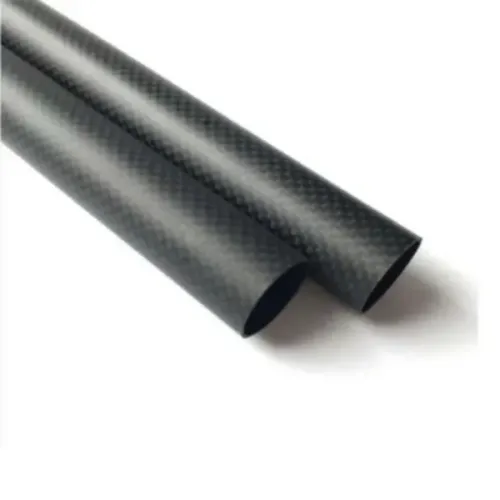
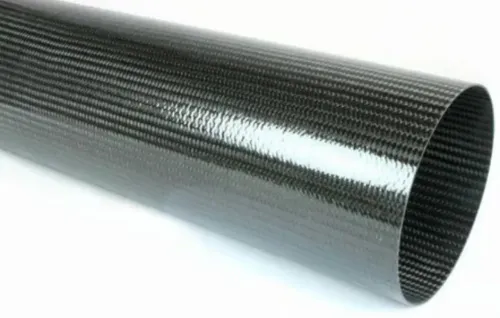
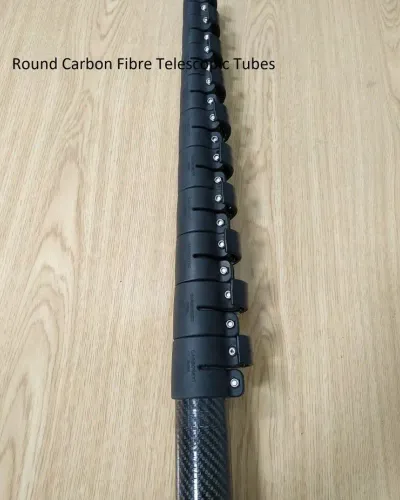
A tube for a robotic structure may need different characteristics from a telescopic pole. A sheet intended for machining into structural components may require different considerations from a panel selected mainly for appearance.
A capable manufacturing partner should therefore seek information about dimensions, loads, environment, mounting, tolerances, and production quantities rather than considering every enquiry as a standard catalogue requirement.
Carbonext India Pvt Ltd works in the carbon fiber manufacturing segment with products and requirements spanning different composite applications.
Product Range Matters for Developing Projects
Industrial projects can evolve quickly during prototyping.
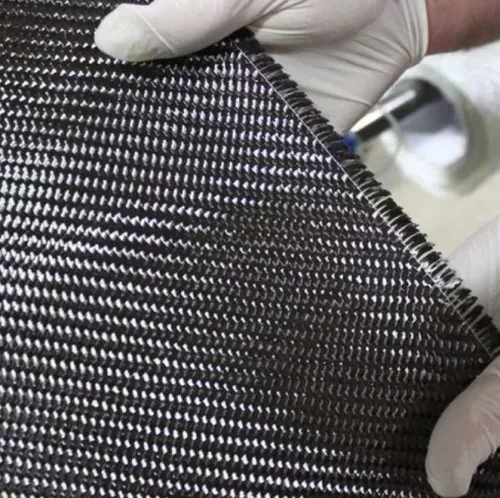
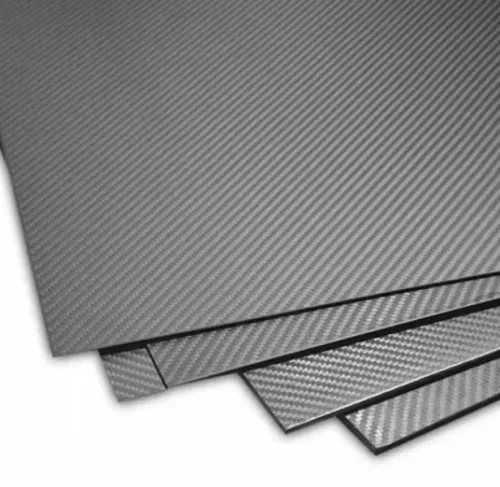
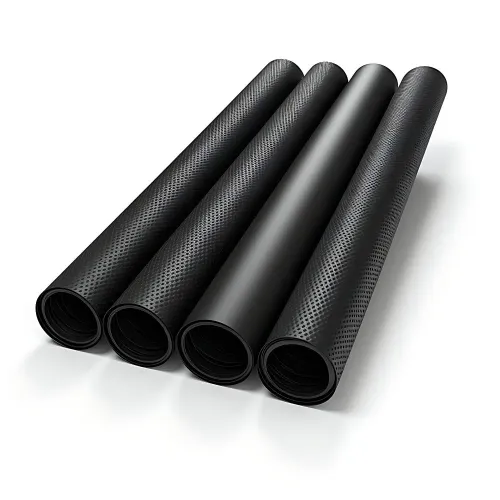
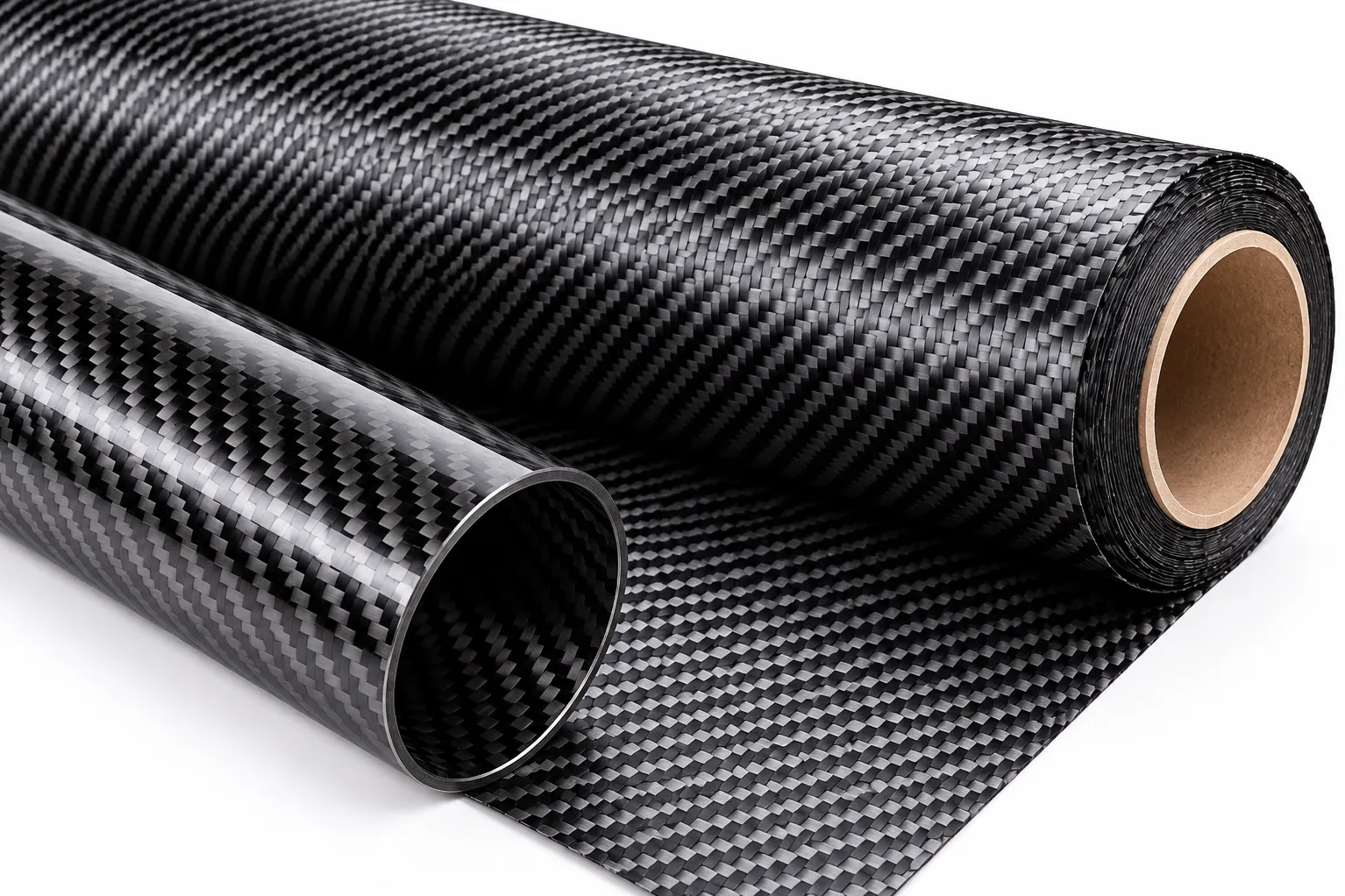
An engineer may initially need carbon fiber fabric for development, later require sheets for structural panels, and eventually evaluate rods or tubes for a production assembly. Working with a manufacturer familiar with multiple carbon fiber product forms can simplify these discussions.
Common requirements can include carbon fiber:
- Sheets
- Rods
- Tubes
- Fabrics
- Telescopic components
- Custom manufactured parts
The relevant product should still be selected according to engineering requirements rather than convenience.
Customisation Can Be Important
Standard dimensions are useful for straightforward applications, but industrial projects frequently require specific lengths, diameters, thicknesses, finishes, or construction details.
Before choosing a supplier, buyers should establish which requirements can be customised and what information is needed for feasibility assessment.
Drawings and complete specifications are especially valuable for custom manufacturing enquiries.
Technical Communication Should Be Part of Supplier Evaluation
Good procurement depends on clear information flowing in both directions.
Buyers should be able to communicate operating requirements accurately, while manufacturers should clearly define proposed specifications, manufacturing limitations, tolerances, quantities, and other relevant conditions.
This becomes particularly important when moving from prototype development to repeat production.
Supporting Nashik's Industrial Requirements
Nashik is an established manufacturing centre in Maharashtra, with activity spanning automotive, engineering, electrical equipment, fabrication, machinery, and industrial automation. As lightweight composite materials find applications in more equipment and products, access to carbon fiber manufacturing capabilities becomes increasingly relevant.
When evaluating a manufacturing partner, Nashik businesses should consider product capability, customisation, technical understanding, specification clarity, production consistency, and responsiveness to project requirements rather than comparing price alone.
A reliable carbon fiber manufacturing relationship begins with a well-defined application and transparent technical discussion. When the manufacturer understands what the component needs to achieve, material form, dimensions, laminate considerations, processing, and production requirements can be evaluated more effectively.
Keywords