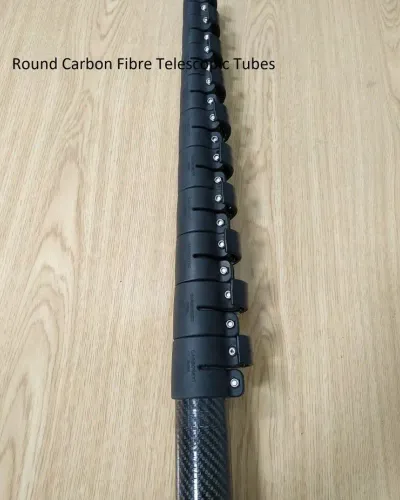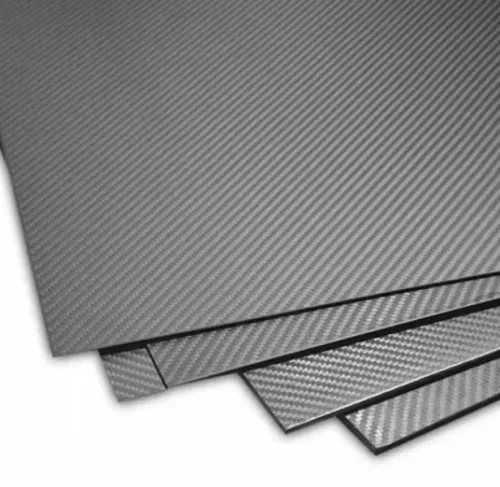
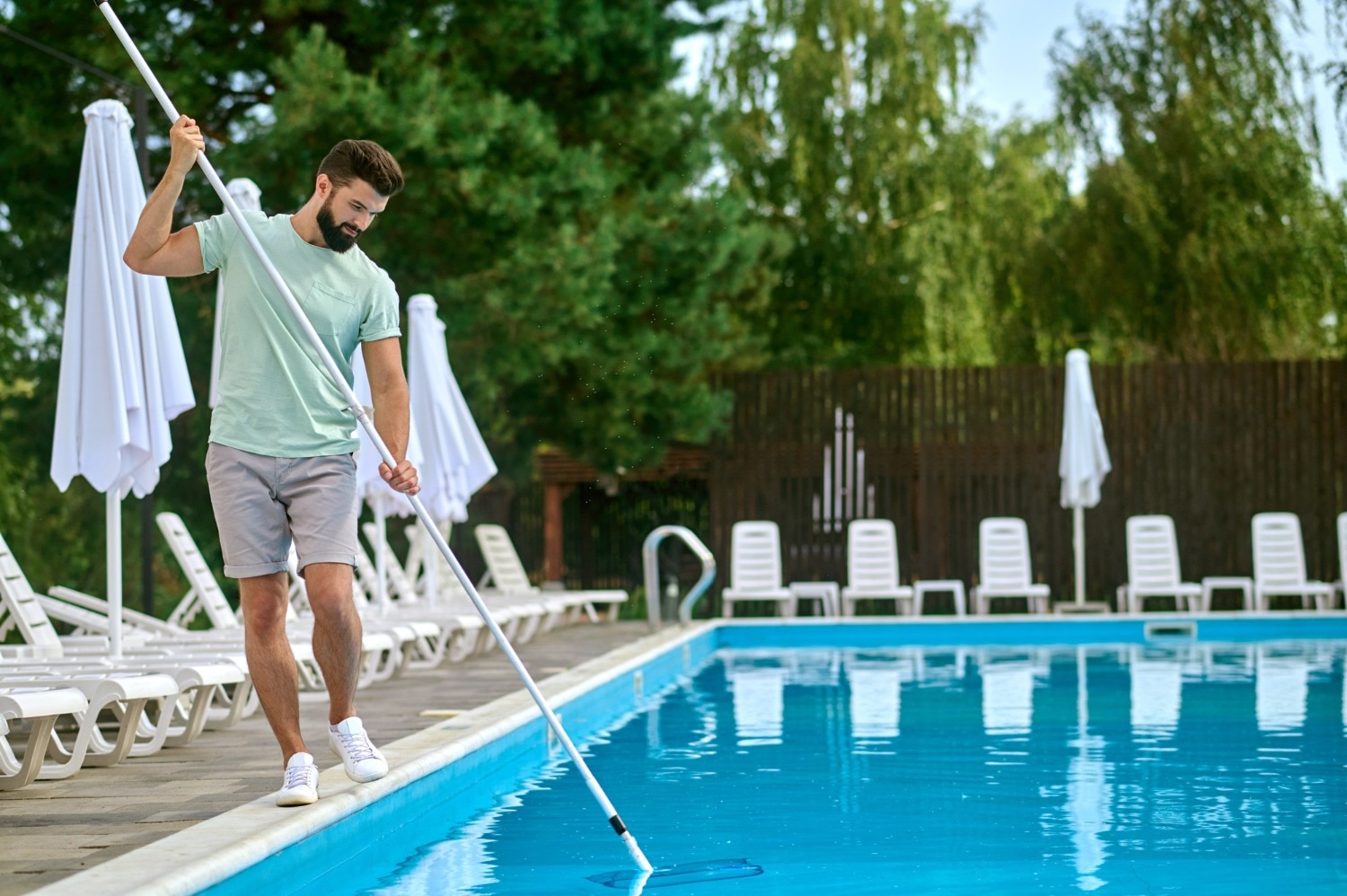
Mumbai’s June-to-September rain exposes a pool pole to repeated wetting, mud, grit, chemical residue and salt-laden air. You will learn how to inspect each component, distinguish removable contamination from structural damage, clean and store the pole correctly, and decide when repair, replacement or a different specification is necessary.
Key takeaways
- Dry tubes, collars and grips after every rainy-day use.
- Inspect locking collars, fittings and pole sections for corrosion or cracks.
- Flush grit before collapsing sections that stick or slip.
- Store the pole extended or fully dry in a shaded ventilated area.
Why Mumbai Monsoon Conditions Damage Pool Poles
Mumbai’s June-to-September monsoon repeatedly wets a pole rather than giving it an occasional splash. High humidity slows evaporation, leaving water inside tubes, around collars and beneath grips; trapped moisture promotes residue, odour and corrosion at metal fittings.
The search query swimming pool telescopic pole for problems monsoon in mumbai reflects a drainage-and-drying problem, not material choice alone.
Rain runoff, deck mud and wind-blown grit enter sliding sections and locking areas. Abrasive particles bind telescopic tubes, make extension rough and accelerate wear when you force a tight section; salt-laden coastal air adds chloride deposits that attack exposed metal and leave white crust around locks.
These are common pool telescopic pole monsoon problems, not signs that rain has cleaned the pole.
Pool chemistry creates failure too. Water outside pH 7.2–7.8 or free chlorine below 1 ppm increases metal attack; dried chemicals and salts leave deposits on joints. Heavy rain dilutes chlorine and alkalinity, while runoff brings silt and organic matter. Retest after storms rather than dosing by guess. Stop work during thunder: carbon fibre conducts electricity.
The Post-Rain Inspection: Check Every Section and Fitting
Before using the pole, extend it fully on a clean, dry surface and inspect it section by section. A quick glance at the handle will not reveal swimming pool pole damage in Mumbai caused by grit, salt deposits or trapped rainwater.
1. Wipe each telescopic tube and look for cracks, dents, oval sections, swelling, delamination, exposed fibres or crushed ends. A bent or damaged tube must not return to service.
2. Open every collar, clamp or friction lock. Remove visible grit and white salt or chemical residue, then check for cracks, distortion and missing hardware.
3. Extend and retract each section slowly. It should move smoothly and hold firmly when locked; do not force a section that binds at one point.
4. Inspect ferrules, joints and end caps for looseness, splits, water trapped inside the tube or rattling parts. Drain water before storage.
5. Check the handle and elastomeric grip for swelling, soft patches, tearing or contamination that could make the pole slip from your hand.
6. Examine the brush, net or other attachment. Confirm that its frame, socket, retaining pin and connection to the pole are secure.
7. Keep the pole out of service if it collapses under light hand pressure, shows exposed fibres, cracked clamps or a loose attachment. Do not apply unspecified petroleum oil to a lock.
Retest pool water after heavy rain; runoff can add silt and organic matter while diluting free chlorine and alkalinity. Stop work if thunder is heard, and keep the pole away from electrical cables and pump wiring.
Pool Cleaning Pole Troubleshooting: Sticking, Slipping and Cracking
Pool cleaning pole troubleshooting starts by separating a lock fault from a tube fault. If a section slips only when wet, rinse and dry the lock surfaces, then inspect for grit or residue. If it slips when dry, check the clamp, cam, wedge and tube diameter for wear.
A section that binds at one angular position may have a dent, ovalisation or local swelling; do not force it.
Use the symptom to choose the check:
- Sticking: stop twisting harder. Clean the joint, then look for a bent section, crushed tube end or swollen ferrule.
- Slipping or collapsing: test the lock dry without a load. Uneven gripping, a cracked clamp or a worn cam means the lock needs replacement, not extra tightening.
- Rattling: shake each section separately. A loose end fitting, rivet, spring or ferrule needs repair before the pole carries a net or brush.
- White residue: rinse it away and inspect underneath. Chalky deposits can hide chemical attack, adhesive failure or corrosion from a neighbouring metal fitting.
- Black or grey marks: treat them as possible carbon-fibre abrasion or clamp transfer, not ordinary dirt.
Remove the pole from service if you find lifted fibres, exposed fibre, a soft spot, longitudinal cracking, delamination, a split ferrule, bent or ovalised tubing, or a clamp that no longer grips uniformly. These carbon fibre pool pole problems can worsen suddenly under tip load.
Stop work when thunder is heard, and keep the pole away from overhead conductors, pump wiring and lightning conditions; carbon composites can conduct electricity.
Cleaning, Handling and Storage After Pool Work
The most common pool telescopic pole monsoon problems begin with grit, salt and chemical residue left on the shaft. Rinse the fully extended pole with clean fresh water, paying attention to collars, clamps, ferrules, end caps and attachment fittings.
Open or loosen each locking mechanism while rinsing so water reaches the contact surfaces. Drain the tubes, shake out trapped water and wipe the pole with a clean, lint-free cloth. Let every section dry completely before retracting it; forcing a wet, gritty section can score the tube and ruin the lock.
- Do not drag the pole across concrete, pool decking or mud; abrasion can expose fibres or damage ferrules.
- Do not repeatedly force a tight section. Rinse it again, inspect for grit or swelling, and stop if it still binds.
- Do not apply unspecified petroleum oil. It attracts abrasive dust, can attack polymer parts and may contaminate the pool; use only the lubricant specified for that lock design.
- Carry a long pole with both hands and support its middle so it does not strike walls, fittings or people.
Store the dry pole under cover, off the floor and away from standing water, direct sun, pool chemicals and salt spray. Keep it away from electrical cables and pump wiring. Carbon fibre conducts electricity, so stop work when thunder is heard and never treat a dry pole as electrically safe.
What to Specify When Buying or Replacing a Monsoon-Use Pole
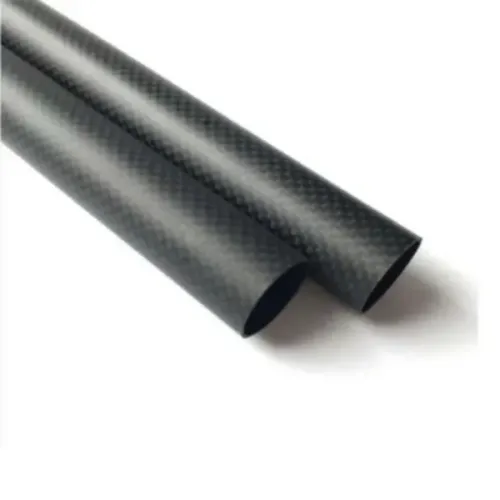
A monsoon-use pole needs more than a carbon-fibre shaft. Check the interfaces, because clamps, ferrules, rivets, springs, adhesives and end fittings take the worst damage when grit and chlorinated water enter the locking area.
Check these buying points before accepting a quotation:
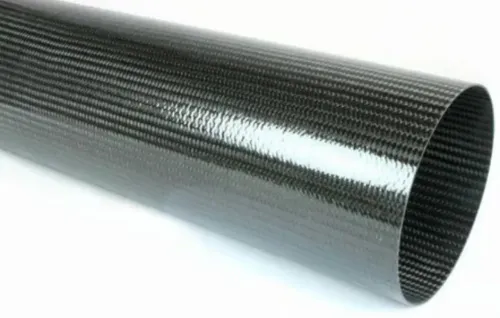
- Tube: continuous, undamaged composite with no exposed fibres, crushed ends or soft areas.
- Locks: clamps that grip evenly, open for rinsing and do not depend on a corroding metal insert.
- Fittings: compatible materials at every carbon-to-metal contact, with sealed or drainable tube ends.
- Operating limit: maximum extension, safe tip load and attachment weight stated in writing. Do not treat a longer pole as a stronger pole.
- Electrical warning: written instructions must prohibit use near overhead conductors, pump wiring or thunderstorms. Carbon fibre can conduct electricity.
| Supplier evidence | What it must identify | Why it matters in Mumbai |
|---|---|---|
| Material schedule | Tube, clamp, rivet, spring, ferrule and end-fitting materials | Carbon fibre does not rust, but adjacent metals can corrode or cause galvanic attack |
| Chemical guidance | Permitted pool-chemical range and rinse procedure | Deposits can seize locks and damage adhesives |
| Wet-use testing | Wet/dry cycling with the supplied metal fittings | Repeated monsoon wetting exposes interface failures |
| Service terms | Inspection, load and replacement conditions | A warranty does not make unsafe damage usable |
Carbonext India Pvt Ltd is worth comparing on these documents rather than on colour or advertised reach alone. This approach targets carbon fibre pool pole problems and swimming pool pole damage in mumbai before they become a staff-safety issue.
Related products
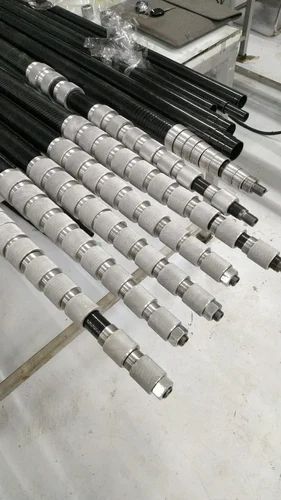 | Telescopic Pole Material Carbon Fibre Usage/Application Pool Cleaning Color Black Brand Carbonext Warranty 1 Year Surface Finish Glossy Country of Origin Made in... View product → |
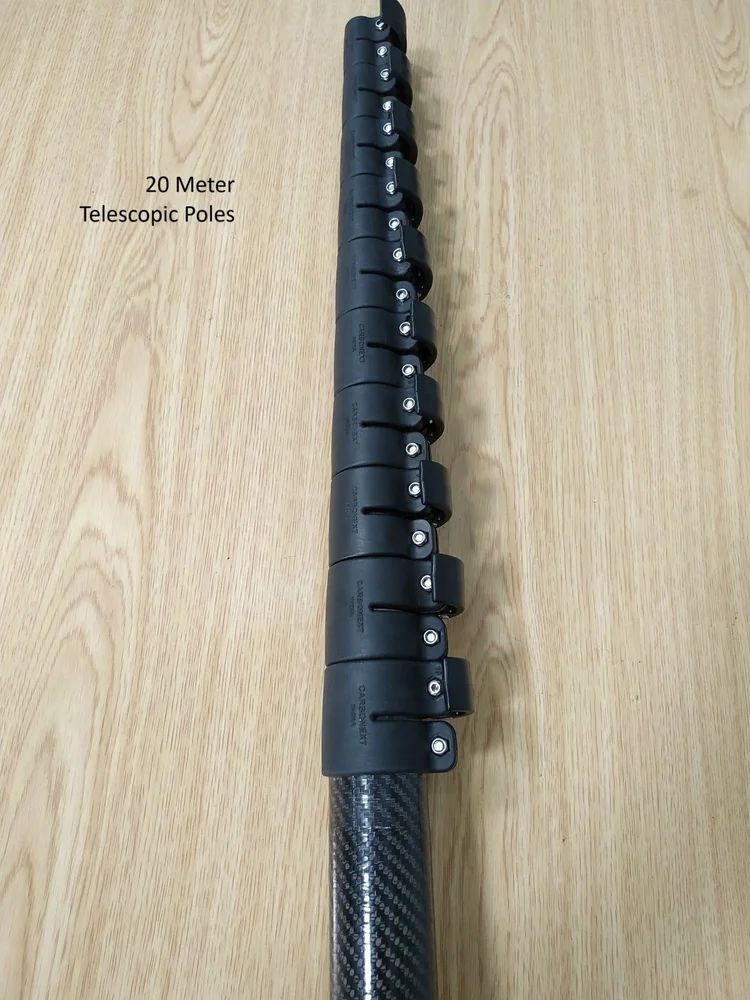 | Telescopic Pole Usage/Application Pool Cleaning Color Black Brand Carbonext Packing Type Box Length 23 meter We are engaged in offering a wide range of 20 Meter... View product → |
Frequently asked questions
Why does Mumbai monsoon weather damage swimming pool poles?
Repeated rain, high humidity and slow evaporation trap moisture inside tubes, around collars and beneath grips. The moisture leaves residue, causes odour and corrodes metal fittings.
What should you check during a post-rain pool pole inspection?
Check every telescopic section, locking collar, end fitting, grip and fastener. Look for trapped water, grit, corrosion, cracks, looseness and changes in locking action.
How do you troubleshoot a pool cleaning pole that sticks or slips?
Flush grit from the sections, rinse away residue and dry the pole before testing it. If a collar still slips or a section remains damaged, stop using it and replace the faulty part or pole.
How should you clean and store a pool pole after monsoon work?
Rinse off pool chemicals and grit with clean water, drain each section, wipe the fittings and let the pole dry completely. Store it in a shaded, ventilated place away from standing water.
What should you specify when replacing a pole for Mumbai monsoon use?
Specify the required reach, load and attachment type, then ask about tube construction, fitting materials, locking mechanism, corrosion resistance and maintenance instructions. Choose a pole suited to repeated wet use rather than occasional splashing.
Keywords