Choosing between prepreg carbon fiber and dry carbon fiber fabric is an important decision in composite manufacturing. Although both use carbon fibers as reinforcement, their preparation, processing requirements, production control, and suitable applications differ considerably.
For manufacturers and product developers in Nashik, understanding these differences can prevent unnecessary manufacturing complexity and help identify the material format that fits the project.
What Is Dry Carbon Fiber Fabric?
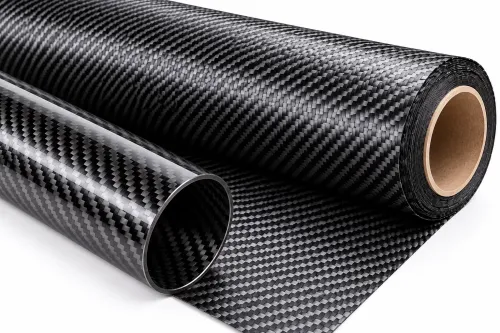
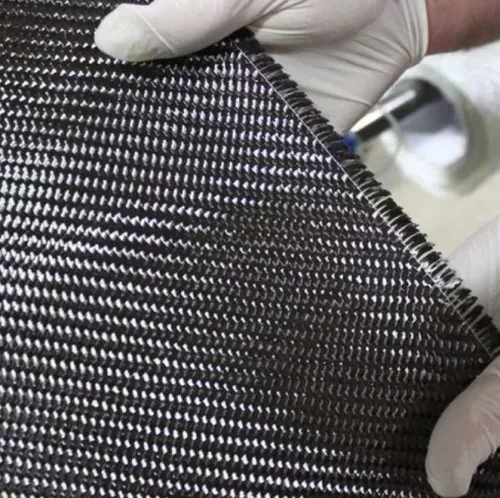
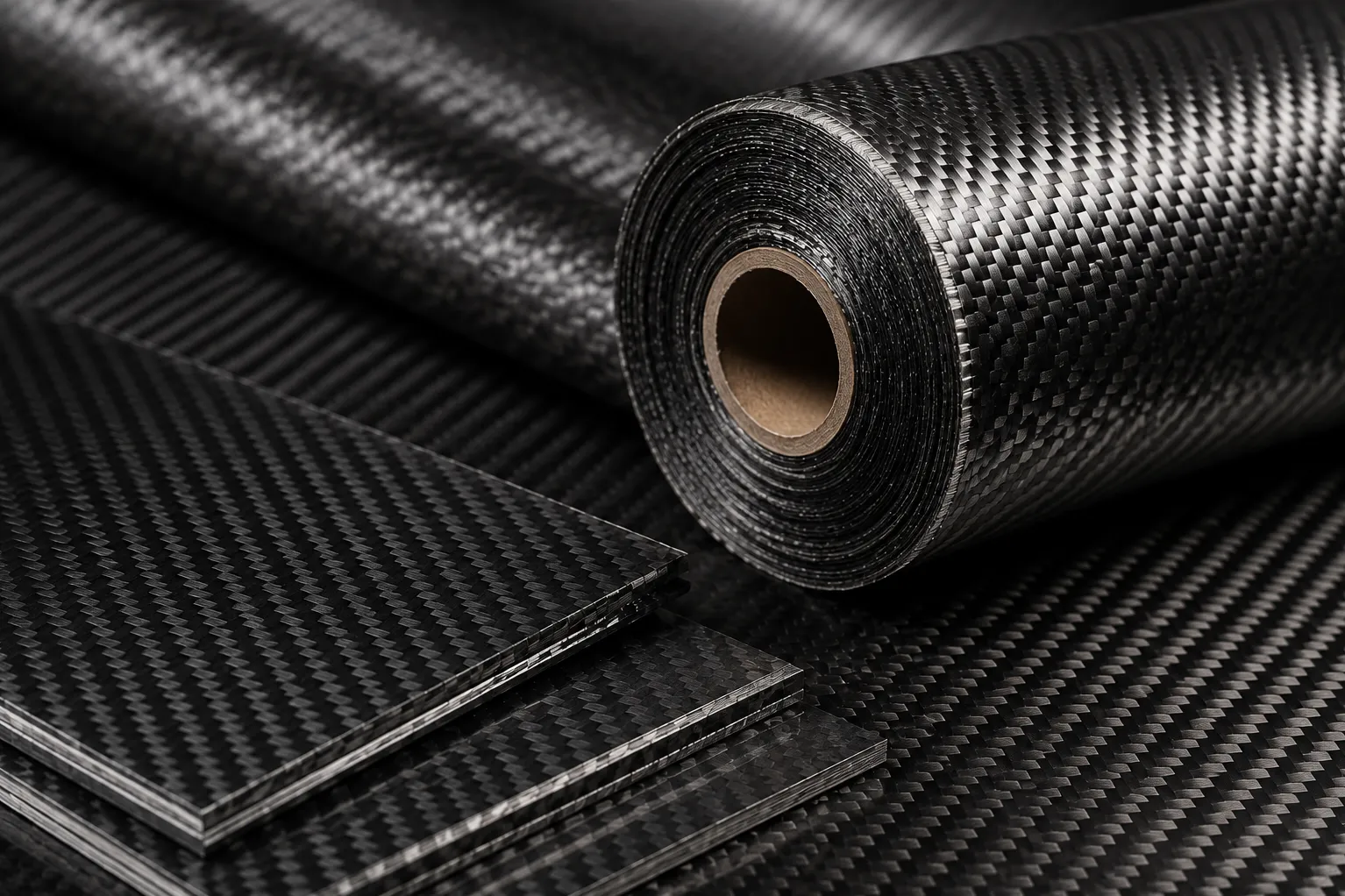
Dry carbon fiber fabric contains reinforcement without pre-applied resin. During manufacturing, resin must be introduced separately using a suitable process.
Depending on the application, fabrication methods can include hand layup, vacuum-assisted processes, resin infusion, and other composite manufacturing techniques.
Dry fabric provides flexibility because manufacturers can choose the resin system and control the manufacturing approach according to the project.
It may be suitable for prototypes, custom composite fabrication, panels, covers, structural parts, and applications where the selected manufacturing process supports dry reinforcement.
What Is Prepreg Carbon Fiber?
Prepreg material has already been impregnated with a controlled amount of resin by the material producer.
Rather than manually introducing resin during layup, the manufacturer works with reinforcement containing a predetermined resin system. Prepregs generally require controlled storage and carefully managed curing conditions.
Their main advantages can include:
- Controlled resin content
- Consistent material distribution
- Cleaner layup
- Good laminate quality
- Greater process repeatability
- Suitability for demanding composite structures
However, these benefits come with additional processing and storage considerations.
Which One Should You Choose?
There is no universal winner. Selection should follow the manufacturing requirements.
Dry carbon fiber fabric may be appropriate when flexibility in resin selection, processing, or fabrication is important. Prepreg can be considered when tightly controlled laminate construction and repeatable processing are priorities.
Before deciding, evaluate:
- Required component performance
- Production quantities
- Available curing equipment
- Storage capabilities
- Component geometry
- Surface quality requirements
- Production consistency
- Overall manufacturing economics
For a simple prototype, an advanced prepreg process may add complexity without delivering meaningful value. Conversely, demanding components may benefit from the tighter process control that prepreg systems can offer.
Material Selection for Nashik Manufacturers
Industrial businesses in Nashik and Maharashtra increasingly work with lightweight components for automation, engineering, mobility, robotics, and specialised equipment. Carbonext India Pvt Ltd supports carbon fiber manufacturing requirements where material format and component construction need to be considered together.
A useful purchasing enquiry should describe the final component rather than requesting a material solely by name. Sharing dimensions, loads, temperature conditions, production quantity, finish requirements, and intended application gives the manufacturer more context.
The difference between prepreg and dry carbon fiber is therefore not simply resin versus no resin. It is a choice involving processing control, manufacturing infrastructure, production volume, performance expectations, and cost. Selecting the format around these factors leads to a more practical composite manufacturing strategy.
Keywords