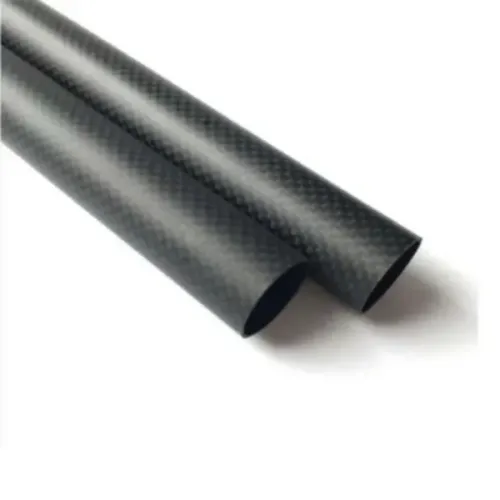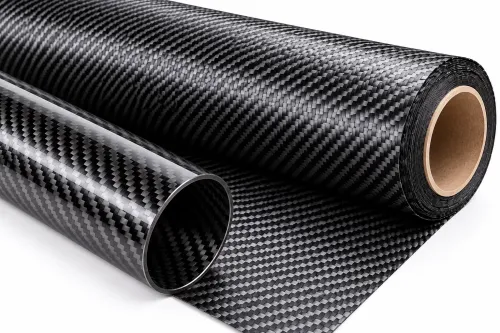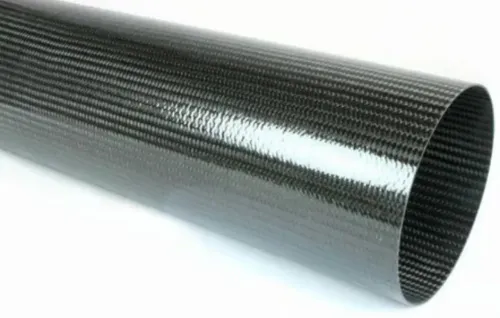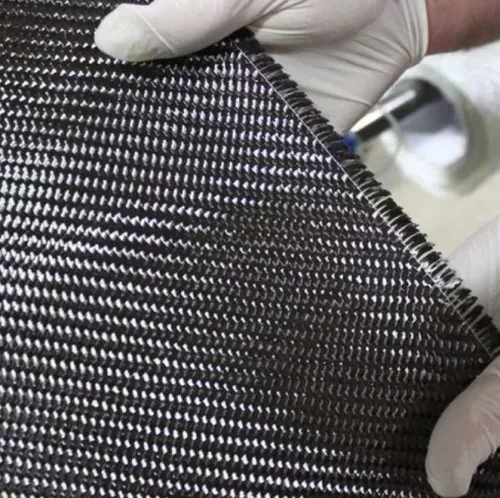
Carbon fiber fabric is a reinforcement material made by weaving carbon fiber strands into structured patterns. When combined with an appropriate resin system, the fabric becomes part of a carbon fiber reinforced polymer composite that can deliver an attractive combination of low weight, stiffness, strength, and corrosion resistance.
Understanding how carbon fiber fabric works is useful before choosing it for industrial fabrication, product development, repairs, prototypes, or structural components.
What Is Carbon Fiber Fabric?
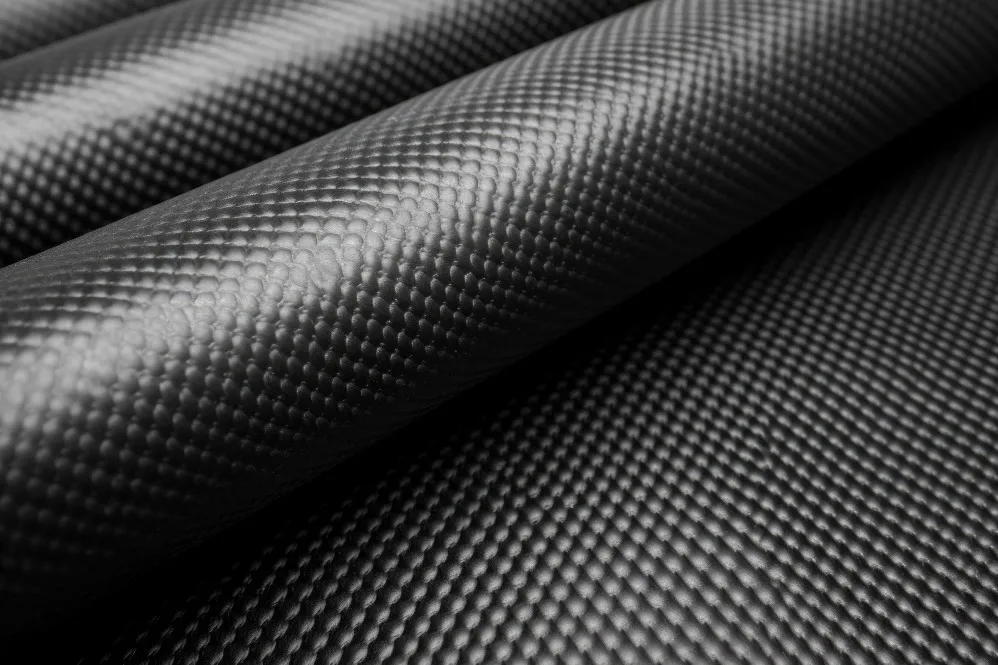
Individual carbon fibers are extremely thin. Thousands of these fibers are grouped into bundles called tows, which can then be woven into fabric.
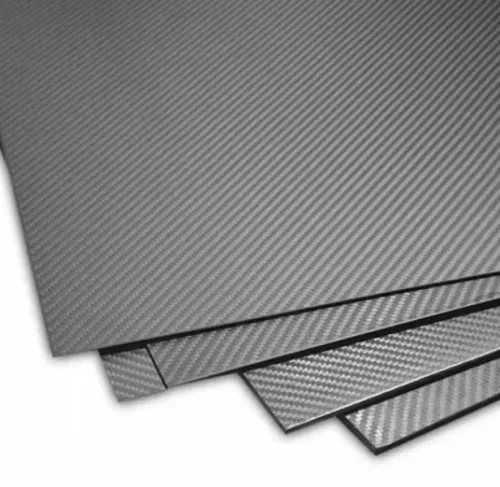
Common weave configurations include plain weave and twill weave. Each has different handling, draping, appearance, and fabrication characteristics.
The fabric itself is only the reinforcement. It normally needs to be combined with a resin matrix to create a finished composite structure.
Where Is Carbon Fiber Fabric Used?
The versatility of carbon fiber fabric allows it to serve a wide range of applications, including:
- Automotive components
- Robotics structures
- Drone frames and components
- Industrial automation equipment
- Sporting equipment
- Aerospace structures
- Lightweight enclosures
- Prototype development
- Custom composite panels
- Reinforcement applications
The suitability of the material depends on load direction, manufacturing method, environmental conditions, and component design.
Why Fiber Orientation Is Important
One of the most important aspects of composite design is fiber orientation.
Unlike many metals that behave relatively uniformly in different directions, carbon fiber composites can be engineered by positioning reinforcement where loads are expected. Multiple fabric layers may therefore be arranged at different orientations.
A laminate might use fibers at 0 degrees, 90 degrees, or angled orientations depending on the expected forces. This ability to tailor the laminate is one reason carbon fiber is valuable in engineering applications.
Carbon Fiber Fabric in Nashik's Manufacturing Sector
Nashik has established automotive, engineering, fabrication, and industrial manufacturing activity. For companies developing lighter assemblies or specialised components, carbon fiber fabric offers an alternative worth evaluating when conventional metals create excessive weight or other design limitations.
Carbonext India Pvt Ltd supplies carbon fiber materials and components for customers evaluating composite solutions for different requirements in Nashik and elsewhere in Maharashtra.
Before selecting fabric, buyers should consider fabric weight, weave pattern, resin compatibility, processing method, number of layers, desired thickness, and expected mechanical loads.
Carbon fiber should not be selected simply because it is lightweight. Its real value comes from designing the composite correctly for the intended application.
When fabric type, fiber direction, resin system, and manufacturing process are considered together, carbon fiber fabric can become a highly versatile engineering material for modern industrial products and structures.
Keywords